
Support Communication in Parkinson’s With Practical Tools
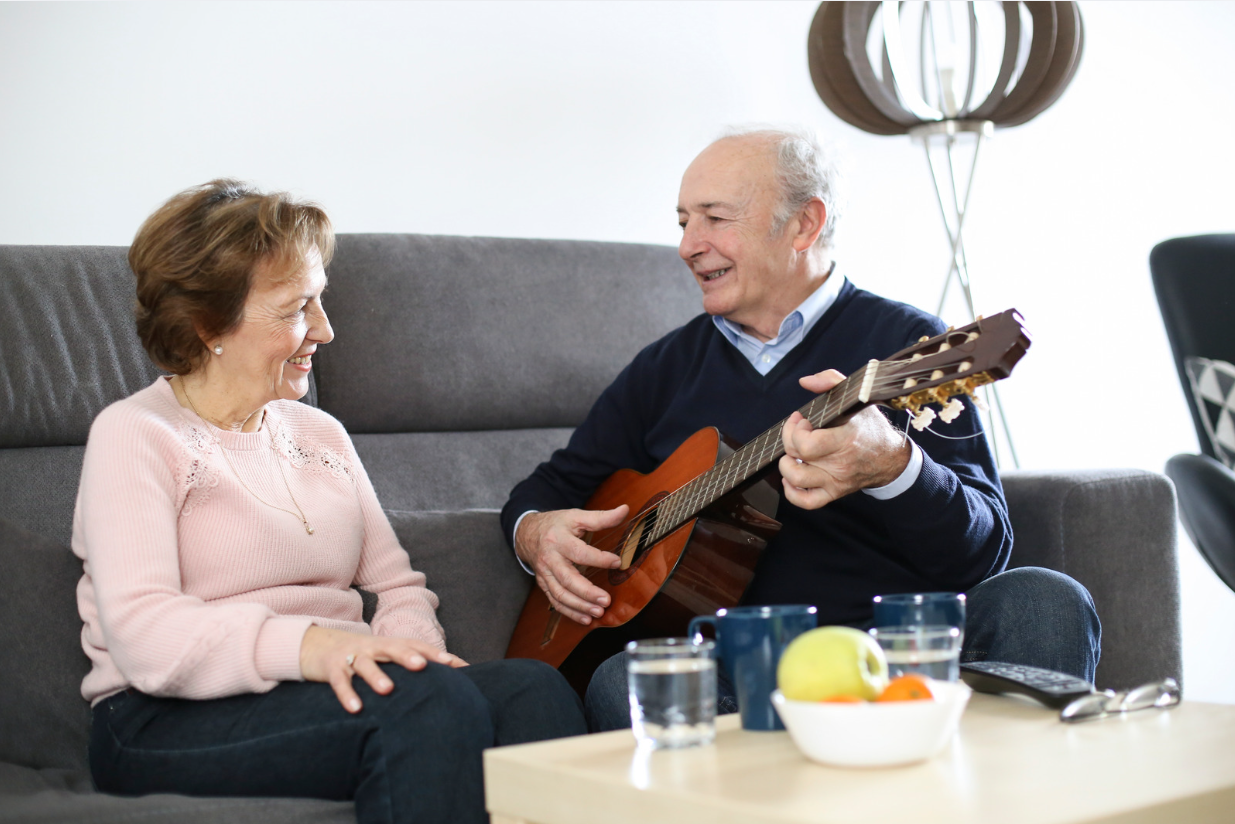
Communication challenges are one of the most common and impactful symptoms of Parkinson’s disease, with many individuals experiencing changes in voice, articulation, and vocal strength.
For music therapists, this presents a powerful opportunity to apply targeted, evidence-based interventions that support both communication and quality of life. Techniques such as singing, vocal exercises, and rhythm-based cueing can help improve vocal projection, articulation, and overall confidence in communication.
💡 Clinical Insight:
Singing not only strengthens vocal function but also engages multiple areas of the brain, supporting coordination, memory, and emotional expression - making it a highly effective tool for therapists working with Parkinson’s.
Explore the strategies in further detail:
Want more examples and insights from music therapists in clinical practice? Check out the full article here:
→ Improving Communication with Parkinson’s Disease
These approaches can be easily integrated into individual or group sessions, offering therapists practical ways to support both speech and confidence in clients.
Take It Further with the AudAbility Toolbox
Looking to apply deeper strategies into your work? The AudAbility Facilitator Training Manual provides structured vocal exercises, intervention frameworks, and practical tools to support communication, speech, and engagement in clients with Parkinson’s.